

Choosing the right blasting abrasive is an important part of any surface preparation project. The abrasive you select can affect how quickly the work moves, how much material is removed, what surface profile is created, and how well the surface is prepared for the next step.
There is no single abrasive that is right for every job. The best choice depends on the surface, the coating or contaminant being removed, the required profile, the blasting equipment, and the project specifications. Below, this blasting abrasives supplier in Chicago, Illinois is going to discuss some of the key factors to consider when selecting an abrasive for industrial blasting work.
Start with the Surface You Are Blasting
The surface itself should be one of the first things you consider. Steel, concrete, brick, stone, and other durable materials may respond differently to abrasive blasting. The condition of the surface also matters.
A heavily corroded steel surface may require a different approach than a surface with light coating residue. A delicate surface may require a different abrasive than a heavy industrial component. Before selecting an abrasive, it is important to understand what material is being blasted and how aggressive the surface preparation needs to be.
Consider What Needs to Be Removed
Blasting abrasives are often used to remove rust, mill scale, paint, protective coatings, residue, or other surface contaminants. The type and thickness of the material being removed can influence which abrasive grade or material is appropriate.
Industrial users in the Chicago area may need abrasives for coating removal, steel preparation, equipment cleaning, fabrication work, tank preparation, or general surface restoration. The more demanding the removal work is, the more important it becomes to choose an abrasive that matches the job conditions.
Think About the Required Surface Profile
Surface profile refers to the texture created by abrasive blasting. In many coating applications, the profile must fall within a specific range so the coating can bond properly to the surface.
If the abrasive is too fine for the job, it may not create enough profile. If it is too coarse, it may create a profile that is more aggressive than the project requires. A qualified blasting abrasives supplier in Chicago, Illinois can help review the profile requirements and select an abrasive grade that supports your intended result.
Match the Abrasive Grade to the Application
Blasting abrasives are available in different grades and sizes. Coarser grades are often used for heavier coatings, heavy rust, and more aggressive surface preparation. Finer grades may be used when the goal is a lighter profile or a more controlled finish.
Common factors to review include:
- Coating thickness
- Rust or mill scale severity
- Required surface profile
- Substrate material
- Blasting equipment
- Nozzle size
- Project specifications
These details help narrow down which abrasive grade may be the best fit for the work.
Understand the Abrasive Material Options
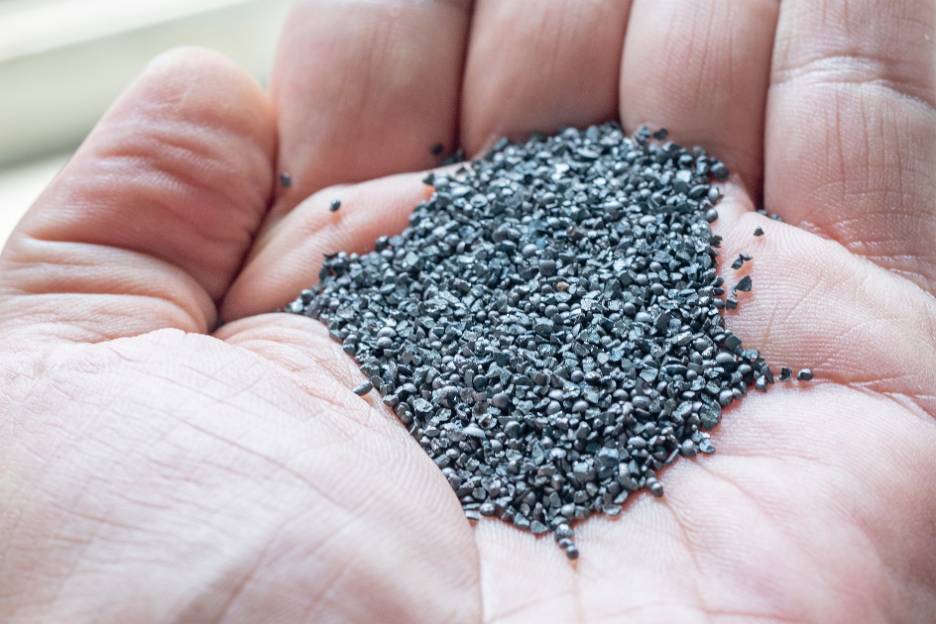
Different abrasive materials are used for different types of projects. Coal slag and copper slag, also known as iron silicate, are commonly used in industrial blasting applications where fast cutting and surface preparation are needed. Specialty abrasives may include materials such as aluminum oxide, garnet, glass beads, crushed glass, walnut shells, corn cob, and other options.
Each material has its own characteristics, and the right choice depends on the application. The goal is not to choose an abrasive based on name alone, but to match the material to the surface, the removal needs, and the desired finish.
Equipment Compatibility Matters
The blasting equipment being used can also influence abrasive selection. Abrasive size, nozzle requirements, pressure settings, and equipment type should all be considered before choosing a product.
If the abrasive is not well matched to the equipment, the blasting process may be less efficient or may not produce the intended surface profile. Reviewing equipment details before ordering abrasive can help reduce problems once the project begins.
Jobsite Conditions Can Affect the Decision
Blasting conditions are not always the same from one project to the next. Outdoor work, containment requirements, cleanup expectations, dust control considerations, and project access can all play a role in abrasive selection.
For industrial projects, it is also important to consider any specifications from engineers, coating manufacturers, project managers, or facility owners. These requirements may guide which abrasive material, grade, or profile range should be used.
Supplier Support Can Help Narrow the Options
Choosing an abrasive can be straightforward for familiar projects, but it can be more complicated when the surface, coating, equipment, or project requirements are different than usual.
An experienced blasting abrasives supplier in Chicago, Illinois can help you compare available materials and grades based on your application. This can help your team choose a product that supports the work instead of guessing or relying on a one-size-fits-all approach.
Looking for a Blasting Abrasives Supplier in Chicago, Illinois?
The right blasting abrasive depends on the surface being prepared, the material being removed, the required profile, the abrasive grade, the equipment being used, and the project specifications. If you are unsure which material or grade is appropriate, a professional blasting abrasives supplier in Chicago, Illinois can help you review your options and choose the right abrasive for the job.
At Black Diamond Abrasives, we provide abrasive products for industrial blasting and surface preparation applications. Contact us to learn more about our blasting abrasives and available product grades.